





Posted by Amanda DeMatteis in Commentary, Videos
Sep 2 2026
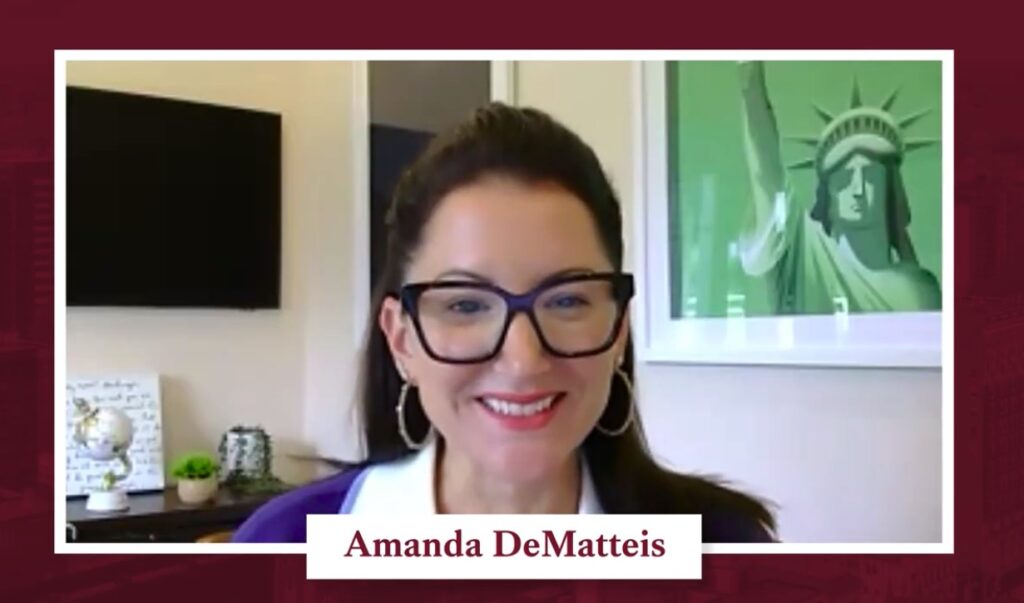
Amanda DeMatteis: Hi, Josh.
Josh Goodbaum: Hi, Amanda. What are we going to talk about today?
Goodbaum: Well, it seems like, at long last, the Blake Lively-Justin Baldoni saga has reached its final chapter. The last motion has been ruled on in the district court. The docket is now closed. The case is over.
And the adoring celebrity gossip fans are wondering what happened here. From our perspective as employment lawyers, what can employees in Connecticut and around the country learn from the Blake Lively-Justin Baldoni lawsuit?
DeMatteis: Josh, we love an intersection between Hollywood and employment law. And you’re right, a judge just awarded Blake Lively $400,000, which sounds like a lot of money, but that was against an $8 million ask for attorneys’ fees and costs.
Let’s take a little trip down memory lane and remind our viewers, and ourselves, how we got here.
You’ll remember that Blake Lively sued Justin Baldoni for sexual harassment and retaliation stemming from their time working together on a major Hollywood motion picture. He then countersued for defamation. The judge dismissed that claim in 2025, and Lively then asked the court for $7.5 million in legal fees and $540,000 in costs associated with defending against that case.
The judge awarded her $47,451, a far cry from the $8 million that she asked for.
The reasoning there was that Lively’s request for money was for more people and time than were necessary to defend the defamation claim. Lively included and intertwined some of the costs to litigate the larger legal battle with the defense of the defamation claim, and the judge said that was a no-no.
Josh, we can connect this to claims that we are typically litigating in state and federal courts because many of the laws that protect employees at work have what are called fee-shifting provisions.
So, whether you’re suing under a breach of Connecticut law or a federal statute, a plaintiff is entitled to attorneys’ fees and costs if they are successful in litigating those claims. Meaning, they get all the way to a jury, a jury finds in their favor, and then their lawyers, the plaintiff’s lawyers, if they are successful, can file the application.
The judge then decides how much to award. The overall success of these types of claims is based on the reasonableness of the time spent, how many timekeepers there were, and other considerations that the court will look at in evaluating a fee application.
Josh, this should finally be the end of the Lively-Baldoni It Ends With Us legal battle. The judge dismissed the sexual harassment element of Lively’s underlying claims earlier this year, prompting the parties to settle out of court.
So, if we want more intersections with Hollywood and employment law, we’re going to need somebody else to mess up on a major motion picture site.
Goodbaum: And following Hollywood as we do, Amanda, I think we can all expect that that news is going to be coming relatively soon. But from where, who knows exactly?
We’ll be there when it happens.
Thank you all for watching. We’ll see you next time.
Posted by Amanda DeMatteis in Commentary, Videos
Tagged Amanda DeMatteis, Joshua Goodbaum, videos